Dewatering for Data Center Construction Projects
As demand for cloud computing, artificial intelligence, and digital infrastructure continues to grow, data center construction projects are expanding rapidly around the world. Modern data centers require extensive site preparation, deep foundations, underground utility corridors, and stormwater management systems. These construction activities often encounter groundwater and surface water challenges that can significantly impact project schedules and costs.
Effective dewatering is a critical component of successful data center construction. By controlling groundwater and removing excess water from excavation areas, contractors can maintain safe working conditions, protect structural integrity, and keep projects on schedule.
Many contractors rely on a dedicated Construction Dewatering Pump to maintain dry excavation areas and ensure uninterrupted construction progress.
This article explores the importance of dewatering in data center construction projects, common challenges faced on-site, and the most effective dewatering solutions available today.
Why Dewatering Matters in Data Center Construction
Data centers are highly engineered facilities that demand stable foundations and precise construction standards. Water accumulation in excavation zones can create numerous risks during construction.
1.Foundation Stability
Many data center projects require deep excavation for foundations, utility tunnels, cable trenches, and underground infrastructure. Excess groundwater can weaken soil strength and reduce foundation stability, increasing the risk of settlement or structural issues.
2.Worker Safety
Standing water creates hazardous conditions for construction crews. Muddy surfaces, unstable excavation walls, and water-filled trenches increase the likelihood of accidents and equipment damage.
3.Project Schedule Protection
Unexpected groundwater intrusion can delay excavation, concrete placement, utility installation, and other critical construction activities. Effective dewatering helps contractors maintain project timelines and avoid costly downtime.
4.Equipment Protection
Construction equipment operating in flooded conditions may experience increased wear, corrosion, and mechanical failures. Proper water management minimizes equipment-related risks.
Common Water Management Challenges in Data Center Construction
1.High Groundwater Levels
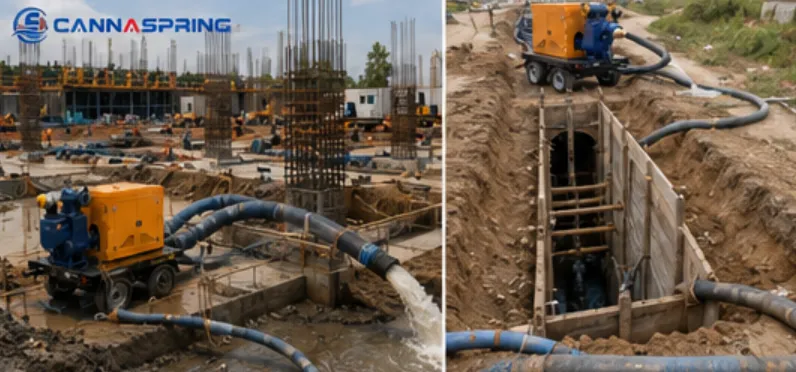
Many data centers are built in areas where groundwater tables are relatively high. Excavations extending below the groundwater level require continuous pumping to maintain dry working conditions.
2.Heavy Rainfall and Storm Events
Construction schedules often extend through multiple seasons. Sudden rainfall can quickly flood excavation zones, resulting in delays and increased pumping requirements.
3.Large Excavation Areas
Data centers typically occupy large footprints, requiring extensive excavation and drainage systems. Managing water across multiple work zones presents a significant challenge.
4.Remote Project Locations
Many hyperscale data centers are constructed in developing industrial parks or remote areas where utility infrastructure may be limited. Reliable standalone pumping solutions become essential in these environments.
Dewatering Methods Used in Data Center Projects
Several dewatering techniques are commonly used depending on site conditions, groundwater levels, and project requirements.
1.Sump Pumping
Sump pumping is one of the simplest and most economical dewatering methods. Water is collected in designated sump pits and removed using portable pumps.
This method is suitable for shallow excavations and temporary water control but may not be effective for large-scale groundwater management.
2.Wellpoint Systems
Wellpoint systems use a series of small-diameter wells connected to a header pipe and vacuum pump. These systems lower groundwater levels around excavation sites and are widely used for medium-depth construction projects.
3.Deep Well Dewatering
For large-scale excavations or projects with significant groundwater pressure, deep well systems provide a more powerful solution. Submersible pumps installed in deep wells continuously remove groundwater and maintain stable excavation conditions.
4.Open Dewatering Systems
Open pumping systems are often deployed during heavy rainfall events or emergency water removal situations. They offer flexibility and rapid response capabilities for temporary construction requirements.
Why Trailer-Mounted Dewatering Pumps Are Ideal for Data Center Construction
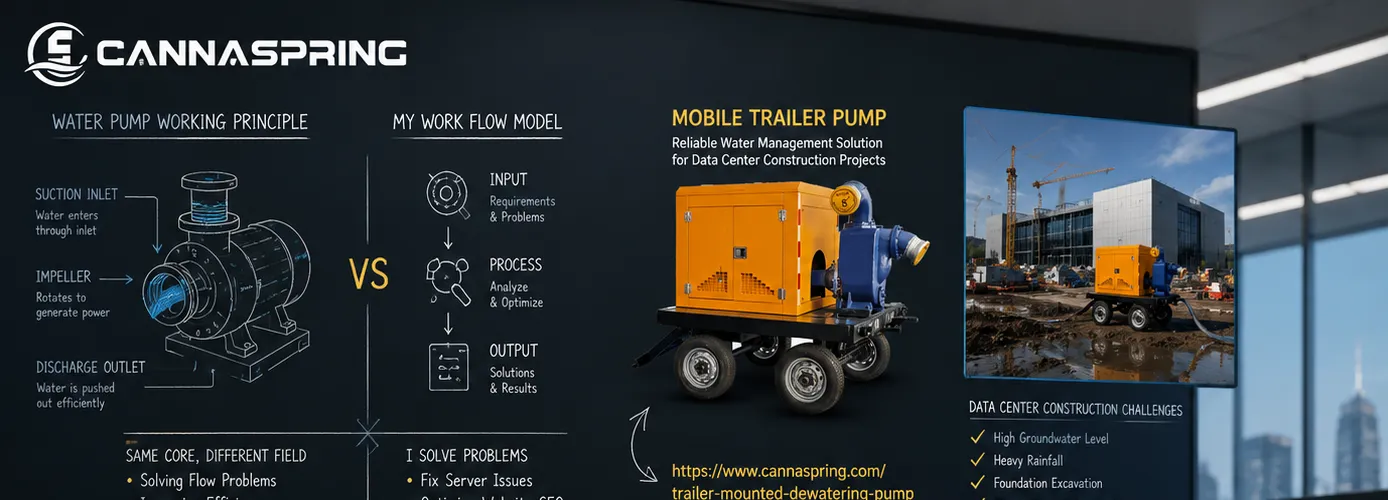
Among various pumping solutions, trailer-mounted diesel dewatering pumps have become increasingly popular for large construction projects.
1.High Mobility
Trailer-mounted pumps can be quickly transported across large construction sites, allowing contractors to respond rapidly to changing water management requirements.
2.Fast Installation
Unlike permanent pumping systems, trailer-mounted pumps allow for rapid completion of deployment.This flexibility is particularly valuable during emergency flooding events or project schedule changes.
3.Independent Operation
Diesel-powered pumps do not rely on external electrical power sources. This makes them ideal for remote construction sites where temporary power infrastructure may be unavailable.
4.Continuous Performance
Modern dewatering pumps are designed for 24/7 operation, ensuring continuous groundwater control throughout the construction process.
5.Reduced Downtime
Reliable pumping equipment minimizes flooding risks and helps contractors maintain productivity even during adverse weather conditions.
Key Factors When Selecting a Dewatering Pump
A high-capacity Diesel Trailer Pump is often preferred for remote construction sites where electrical power is limited or unavailable.
- Flow Rate Requirements
- Total Head
- Solids Handling Capability
- Fuel Efficiency
- Automatic Controls
Best Practices for Data Center Construction Dewatering
1.Conduct Early Site Assessments
Understanding groundwater conditions during the planning phase helps engineers develop effective dewatering strategies before excavation begins.
2.Design Temporary Drainage Systems
Proper drainage channels, collection pits, and discharge routes should be established before major earthwork activities start.
3.Monitor Groundwater Levels Continuously
Regular monitoring allows project teams to adjust pumping capacity as site conditions change.
4.Prepare for Extreme Weather
Backup pumps and emergency response plans should be available to address unexpected rainfall or flooding events.
5.Use Reliable Equipment
Investing in high-quality dewatering pumps reduces maintenance issues and minimizes project disruptions.
Typical Applications of Dewatering Pumps in Data Center Projects
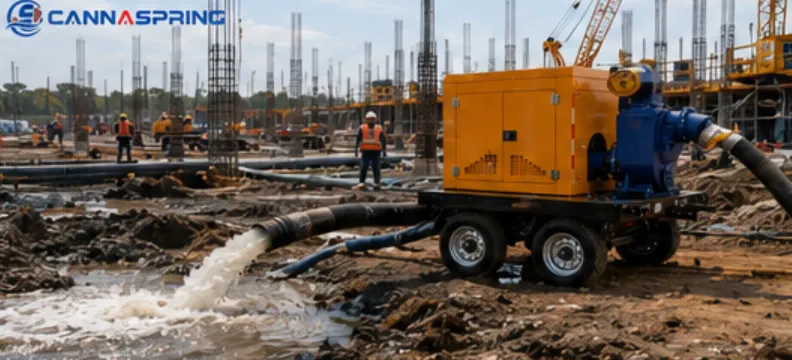
Trailer-mounted dewatering pumps are commonly used for:
In projects where water contains mud, debris, or suspended solids, a Trailer Mounted Sewage Pump may provide a more effective pumping solution.
- Foundation excavation dewatering
- Underground utility construction
- Cable tunnel drainage
- Stormwater control
- Temporary bypass pumping
- Flood recovery operations
- Site drainage management
- Groundwater level control
These applications help maintain safe and efficient construction environments throughout the project lifecycle.
Conclusion
As data center construction continues to accelerate worldwide, effective dewatering has become an essential part of project success. Groundwater intrusion, rainfall events, and large excavation areas can create significant construction challenges if not properly managed.
By implementing appropriate dewatering strategies and utilizing reliable pumping equipment such as trailer-mounted diesel dewatering pumps, contractors can improve site safety, protect critical infrastructure, and keep projects on schedule.
Whether managing groundwater during foundation excavation or responding to unexpected flooding, modern dewatering systems play a vital role in supporting the successful delivery of today’s data center construction projects.