
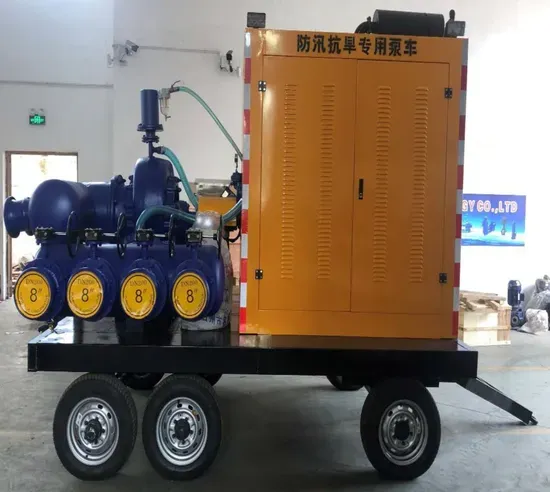
Electric vs Diesel Water Pumps: Pros and Cons
The Real Decision Is Not “Which One Is Better”
In real-world pumping projects, the choice between diesel and electric water pumps is rarely based on technical preference.
Instead, it is determined by one simple question:
What conditions will the equipment actually face on site?
Power availability, deployment speed, and operational stability often matter more than pump specifications themselves.
When the Site Forces a Decision
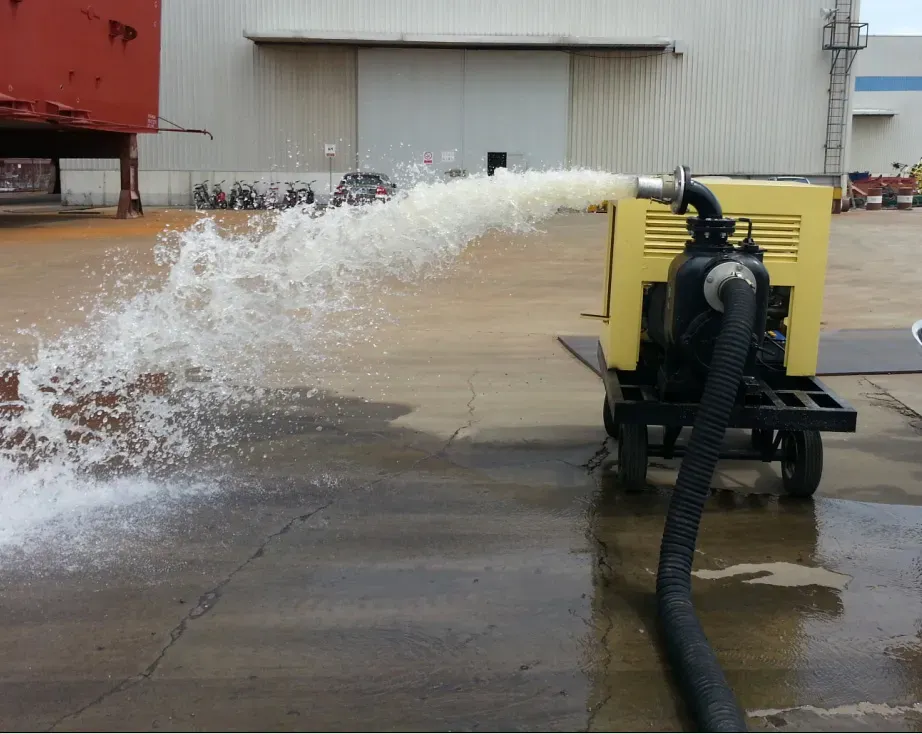
There are many situations where the operating environment eliminates half of the available options before selection even begins.
Typical field constraints include:
- No stable grid power at the site
- Temporary or rapidly changing working locations
- Emergency drainage with no installation time
- Remote construction or mining areas
In these cases, reliance on electric infrastructure is not a design choice—it is a limitation.
Diesel systems naturally become the default option under these constraints due to their independent operation.
When Electricity Becomes the Practical Choice
Electric water pumps are not limited by performance, but by dependency.
They are typically used when:
- A stable and continuous power supply is already available
- The system is part of a fixed installation
- Noise and emission control are critical
- Operation is long-term and stationary
In such environments, electrical infrastructure becomes part of the system design rather than an external constraint.
The Hidden Factor: Deployment Time vs Stability
In many projects, the most critical variable is not output, but response time.
For example:
- Flood response requires immediate deployment
- Construction dewatering often starts before full site infrastructure is ready
- Mining operations may expand or shift location frequently
Diesel systems are often selected in these cases not because of higher performance, but because they can operate independently without preparation delays.
Electric systems, while stable, require infrastructure readiness before operation.
Failure Conditions in Real Applications
Instead of comparing advantages, it is more practical to understand failure points under real conditions.
Diesel systems may face:
- Fuel supply interruptions in remote areas
- Increased maintenance under long continuous operation
- Efficiency loss in poorly managed fuel conditions
Electric systems may face:
- Shutdown during power instability
- Limited mobility due to cable dependency
- Delays caused by power infrastructure setup
In practice, system selection is often based on avoiding these failure scenarios rather than maximizing performance.
Field-Based Selection Logic
A practical way to evaluate pump type selection is not by specification, but by answering three operational questions:
- Is power infrastructure guaranteed at all times?
- Does the project require frequent relocation or rapid deployment?
- What is the cost of unexpected downtime?
The answers to these questions usually determine the appropriate system more accurately than technical comparison alone.
Final Perspective
Diesel and electric water pumps are not competing technologies in practice—they are responses to different operational environments.
The correct choice is not determined by performance superiority, but by site constraints, deployment urgency, and infrastructure reliability.